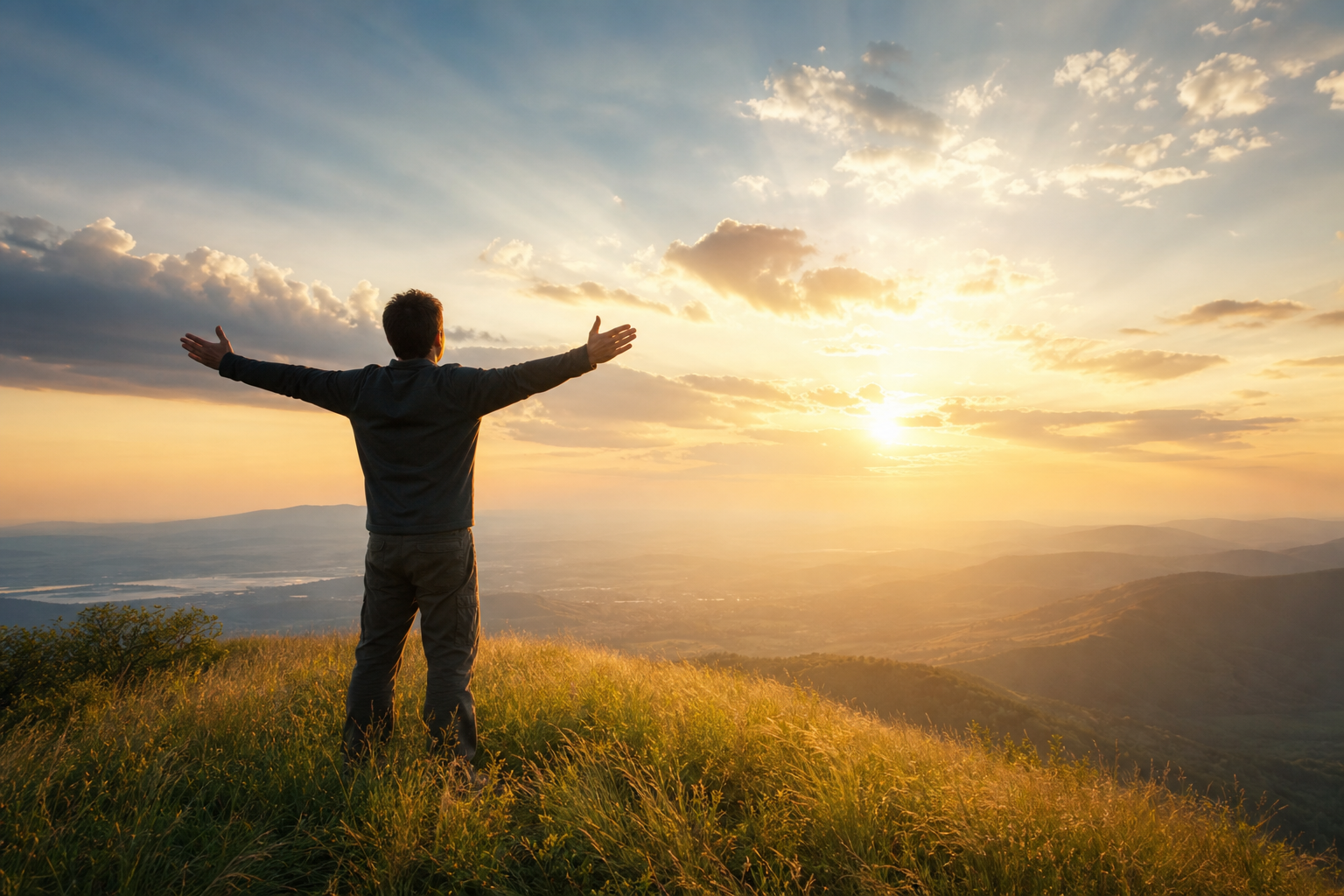
Freedom - The Pillars of Society
When I close my eyes and picture a society that truly reflects our highest hopes, a place where every person may live securely, freely, and fully, one truth stands out above all others. Equality, justice, peace, and community are all vital pillars, yet none of them can bring true life or meaning without freedom breathing through them.
For me there is no doubt at all: freedom is far more than just one desirable feature among many; it is the very air we must breathe if we are to grow, create, and become fully human.
Remove it, and however comfortable or ordered the world may appear, life becomes narrow, mechanical, and ultimately unfulfilling. To understand what makes a society truly worthy of humanity’s highest hopes, we must explore what freedom truly means, and why it matters so deeply in all its forms.
To begin with absolute clarity: freedom is not simply the absence of rules, nor the licence to do absolutely anything one desires without regard for others. In the utopia I picture, freedom is never selfish, reckless, or destructive; it is wise, responsible, and deeply connected to the dignity of every person.
It means something far deeper, richer, and truly life‑giving: it means the capacity to choose, to think, to speak, to believe, and to shape one’s own life, within the bounds of mutual respect and the common good.
This freedom reveals itself in many essential forms. It includes freedom of speech: the right to express thoughts openly, even when they differ from the majority. It includes freedom of religion and belief: the liberty to hold, practise, or change one’s deepest convictions without coercion.
It includes personal autonomy: the ability to make decisions about one’s own life and path. And it includes political freedom: the right to participate in community life without living under arbitrary power.
True freedom is not just freedom from restraint; it is freedom for growth, creativity, and goodness. It is inseparable from responsibility; for without responsibility, freedom easily turns into licence, where the freedom of the strong becomes the oppression of the weak.
At its heart, freedom is an expression of respect for our shared humanity. It affirms that every human being possesses the capacity for reason and conscience, and therefore deserves the space to exercise these gifts. This is not a privilege granted by rulers; it belongs to us simply because we are human.
Where true freedom prevails, power exists to protect this space, not to control it. Freedom of speech is protected because truth is best sought when ideas can be shared openly; freedom of belief is upheld because matters of conscience cannot be forced; autonomy is cherished because no‑one knows another’s path as well as they do themselves.
History shows us clearly what happens when these freedoms are restricted: fear replaces trust, conformity replaces creativity, and silence replaces honest dialogue. People stop speaking, stop questioning, and eventually stop caring.
By contrast, when freedom is honoured, trust grows deep, suspicion fades away, and we come to understand that the flourishing of one is bound up with the flourishing of all. Diversity of thought and belief is seen not as a threat, but as a great gift that brings richness and wisdom to us all.
Yet freedom is never something that happens by chance, nor something that stays secure without care. It is an active, deliberate commitment. It demands humility, constant attention, and the willingness to protect the rights of others even when their views differ from our own. It calls upon those with influence to defend the space for others to speak and choose, rather than impose their own will.
When I look again at my vision of utopia, I see clearly why freedom must stand at its heart. It is the living truth that says you have a voice, a conscience, a right to choose, and a life that belongs first and foremost to you, so long as you respect the same right in others. Without it, equality becomes forced uniformity, justice becomes cold, and peace becomes hollow. Built upon freedom however, every noble vision finds firm ground.
This is far more than a social or political ideal. It is a moral and spiritual vision, echoing the highest hopes of faith and humanity itself: that one day we may truly live in a world where speech is free, conscience is honoured, choice is respected, and all may walk their own path in dignity and peace.
Post a comment