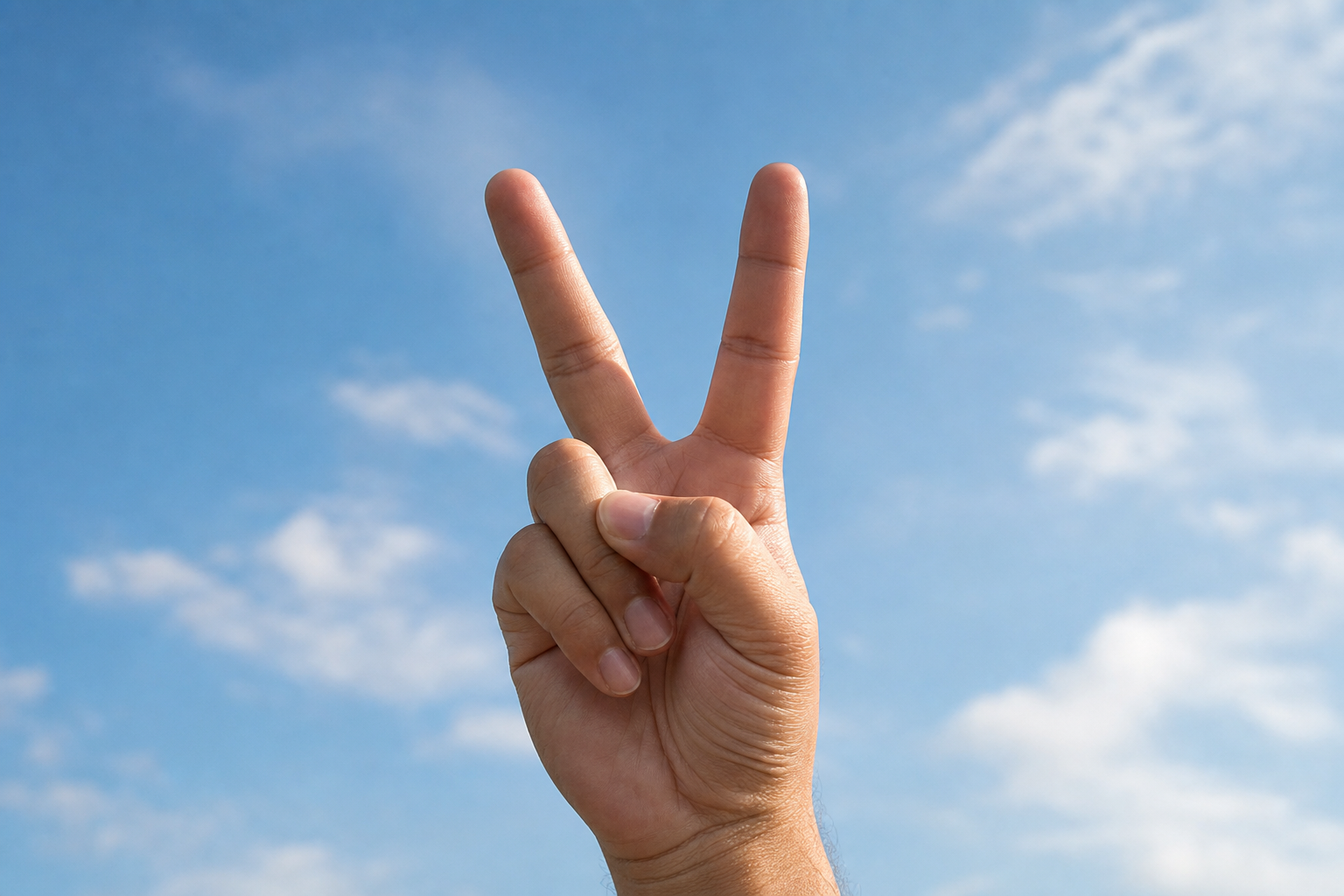
Peace - The pillars of a sustainable society
We often speak of peace as though it means nothing more than the absence of conflict or the quiet between storms. Yet if we look closely at the societies that have truly endured, that have cared for their people across generations and adapted to changing times without falling apart, we find something far deeper at work.
Peace is not merely what happens when we stop fighting; it is the living foundation upon which every lasting, sustainable way of life must be built. Without it, even the most ordered, wealthy, or powerful communities eventually begin to fracture from within. To understand how we might build a society that can endure and nurture all its members, we must first explore what peace truly is, and why it matters so deeply.
To begin with clarity: peace is not simply silence, nor is it the forced suppression of disagreement, difference, or difficulty. A peace maintained only by silencing voices or ignoring injustice is no true peace at all; it is merely a fragile truce. In a sustainable society, peace is active, not passive.
It does not demand that everyone think alike; instead, it creates the space where different views and ways of life can exist alongside one another without harm. True peace is a state of right relationship: it exists when people feel safe, valued, and heard, when differences are addressed with honesty, and when there is a shared commitment to seek what is fair for all. It is not the absence of struggle, but the presence of enough trust and goodwill to face struggle together.
At its heart, peace is an expression of our shared humanity. It recognises that every person has the same need for safety and belonging, and that harm done to one eventually affects the whole.
Where peace is absent, energy is wasted on suspicion and competition; trust erodes, and cooperation becomes difficult. By contrast, where peace is nurtured, it creates the stable ground in which equality, justice, and freedom can all take root. People are more willing to share, to listen, and to invest in the future, knowing they will be treated fairly. It also gives us the strength to heal when things go wrong, turning conflict into an opportunity for understanding rather than permanent division.
Yet peace is never something that happens by chance or remains secure without care. It is a daily choice, calling us to be humble, attentive, and willing to see beyond our own views.
It demands that we uphold justice and protect dignity for everyone, rather than expecting the vulnerable to remain silent. It requires constant tending, for without it, suspicion and resentment will soon take root.
When we look at what it truly takes to build a society that can last, we see that peace stands at its very centre. It is far more than the absence of war; it is the presence of respect, trust, and the courage to resolve differences well. Without it, all other good things become fragile. With it, we create a way of living together that can endure, adapt, and flourish for generations.
Post a comment